Recent increased customs duty checks along the Nepal-India border, specifically at bazaars in areas like Dharchula and Darjeeling, have sparked protests from local traders. These heightened inspections, implemented by Nepali authorities, aim to curb illegal trade and enforce tax regulations. The enforcement has led to concerns regarding the impact on cross-border business activities, which are crucial for the local economy and significantly affect Nepalis operating businesses in these border regions. The news originated from the Times of India.
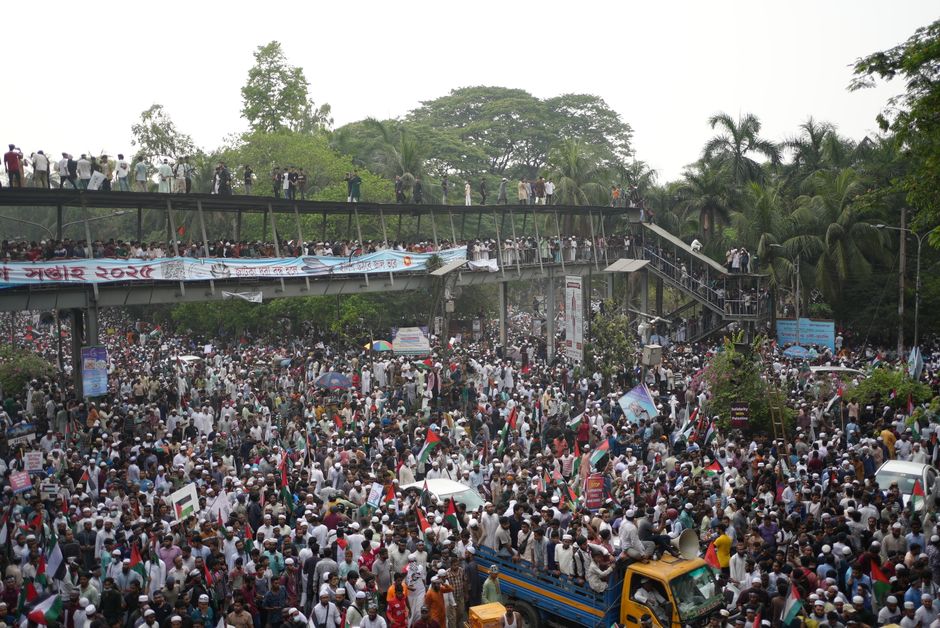
The stricter customs measures involve detailed scrutiny of goods crossing the border, including verification of invoices and assessment of import duties. This has resulted in delays and increased costs for traders, particularly those dealing in daily necessities and other frequently traded commodities. The protests are a direct response to these increased difficulties and are ongoing, representing the economic pressure experienced by local business people. Protests include raising slogans against the new rules as reported from the ground.
Many local businesses on both sides of the border rely on the free flow of goods for their livelihoods. These border bazaars often feature a mix of goods, and the new checks complicate the established patterns of cross-border trade. Traders are concerned about the financial impact of potential seizure of goods, increased paperwork, and the added time required to navigate the customs processes. This situation highlights how complex the relationship is regarding trade between the two neighbors at a grassroots level.
The background of the situation is rooted in Nepal's efforts to strengthen its economy and tax collection, especially after recent economic impacts. Officials have emphasized the importance of enforcing tax regulations to generate revenue and prevent illegal trade practices. However, this has created a conflict of interest, especially in the border regions where trade is informal, and has a great impact in the local economy. The government has not released any statement regarding how they perceive the disruption and the possible loss that the small, cross-border businesses are facing.
The implementation of stricter checks also impacts Nepalis residing or running businesses in India near the border. Many of these individuals rely on cross-border trade, and the new regulations directly affect their incomes and business operations. This is especially true for those engaged in small-scale ventures that depend on the easy flow of goods between the two countries. These diaspora communities feel the impact immediately.
For the Nepali diaspora, particularly those with businesses linked to border trade, this news is highly significant. The new customs regulations could lead to significant financial losses and disrupt established business practices. This is a very pertinent matter for all those who work, live and trade in areas along the border, or who maintain direct business relationships with traders in Nepal and India. It will be important to observe how Nepali authorities resolve this situation as they have shown intent to protect the Nepalese economy.


